

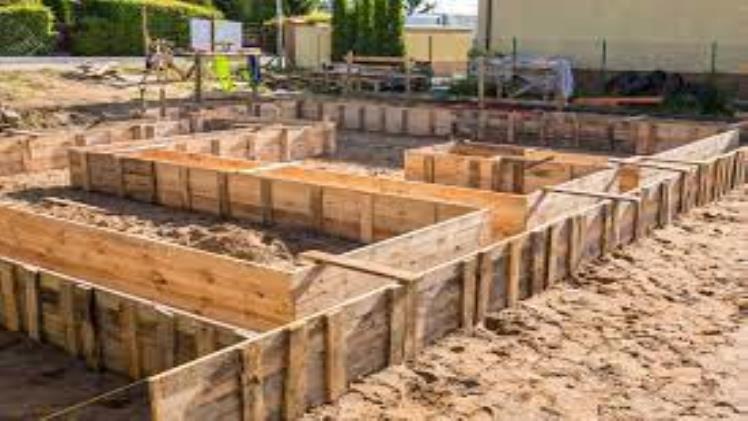
Piling London is one of the most common foundation methods used in construction projects, particularly for house extensions or conversions. It also has a reputation as an excellent choice for many commercial projects where soil excavation and removal would be cost and time consuming.
Almost every ground type can be made stronger or more stable through the use of piles, especially when they are spaced closely together to transfer loads into the underlying soil. They can be designed to meet the engineers’ exact specifications and a concrete beam will normally be formed along the top of the piles, creating a capping beam which adds further structural integrity.
The soil type is important as this can affect the type of piling needed, as well as how much reinforcement it will require and which concrete will need to be used. This is why a site investigation is often recommended to ensure the correct solution is chosen for your building and the soil type it sits on.
When a project is designed, the designers will work out the overall length and width of the building and this will determine the depth and number of piles that are required for the structure to be built on. This will vary depending on whether the building is designed as a traditional brickwork and block work construction or a more structural steel frame structure.
Piling London contractors are experts in designing the correct solution for your foundation needs, ensuring that the design is based on the specific conditions of your ground. They will take into account the amount of soil that is present, how the load will impact the soil and also what other factors may be involved.
For example, if the structure will be a large one, it is likely that it will have an impact on the existing soil and this can affect which piling types are required. For this reason, a soil analysis is always recommended, as this will enable the foundation contractor to recommend the right piling solution for your project.
Another consideration is the proximity of a site to an active railway line or any other underground infrastructure, this can impact on the design of the piles and how they are constructed. This is where the LDSA Guidance Note for Straight Shafted Bored Piles in London Clay comes into play, which provides an empirically based approach to designing piles in this particular soil category.
